Related content
Making Realistic Fake Driver's Licenses
What is a Fake ID?
Fake IDs are counterfeit driver's licenses designed to mimic real ones. They must replicate visually, in security features, and scannable data to avoid detection.
What exactly?
- Matching the exact appearance (fonts, layouts, holograms).
- Ensuring scannability (barcodes, magnetic stripes).
- Avoiding digital footprints during creation and use.
Success is on YOU understanding how real IDs are made and scanned. Places use scanners to check authenticity, so fakes must pass optical, barcode, and database checks.
What materials would I need to produce these?
The right material is crucial for durability, feel, and security features. Real IDs use specific substrates to prevent wear.
PVC (Polyvinyl Chloride) Most common for states requiring plastic cards. Print directly or use reverse transfer. Thickness typically matches issued cards (e.g., 30 mil). For PVC states, printers like Fargo HDP5000 are recommended for direct printing. Cost: Around $0.65 per card for PET/PC cards with UV already embedded (from sources like Alibaba). Polycarbonate (PC) Similar to PVC but more durable. Often used with laser engraving for raised text. Buy polycarbonates pre-embedded with UV for holograms.
Teslin Synthetic paper-like material for softer, paper-based IDs. Easier to print on with standard printers (300 DPI). For Teslin states, use an Epson Stylus or R280 with UV ink cartridges (UV cart kits available on Amazon).
Thickness and Feel Cards should match the exact thickness of real IDs (e.g., 30 mil). Use "butterfly pouches" for lamination to embed UV images, holograms, and OVIs without extra plastic on edges. This ensures designs don't fade and gives the card an authentic feel. Avoid cards that feel too thick or thin—it's noticeable.
What about Holograms? Many states have dropped holograms, but if needed, buy rolls for Fargo printers or pre-printed laminate overlays. Custom holograms require min. 60 laminator roll orders or separate embedding.
I’ve seen some holograms advertised on chinese wholesalers (Like Alibaba). Haven’t tried it yet but you have to contact seller directly from the listing. Each seller has a minimum buy. You can also search hologram manufactures in foreign countries. Make sure to get a good image of just the hologram used.
Printing and Equipment Printing involves multiple steps to add layers like text, images, UV elements, and raised features.
Printers and Setup:
- Fargo HDP5000 or HDP5600 Ideal for PVC/PC cards. Supports direct printing, holograms (with rolls), and laminates. 300-600 DPI for high quality. - UV Printer (e.g., Epson L800 UV LED Flatbed) Used for raised text and ghost images on PVC/PET/PC cards. Prints over pre-embedded UV stock. - Laser Engraver For raised text on polycarbonates. Buy PC stock with UV already on it. - For Teslin Epson Stylus + R280 with UV cartridges. No need for expensive laminators.
Process: - Print base design first. - Add UV layers for invisible elements (viewable under blacklight). - Laminate using butterfly pouches to embed holograms, UV, and OVIs without wear. - Avoid using min-laminate rolls for holograms; opt for printers with built-in hologram features or pre-embedded stock from Alibaba.
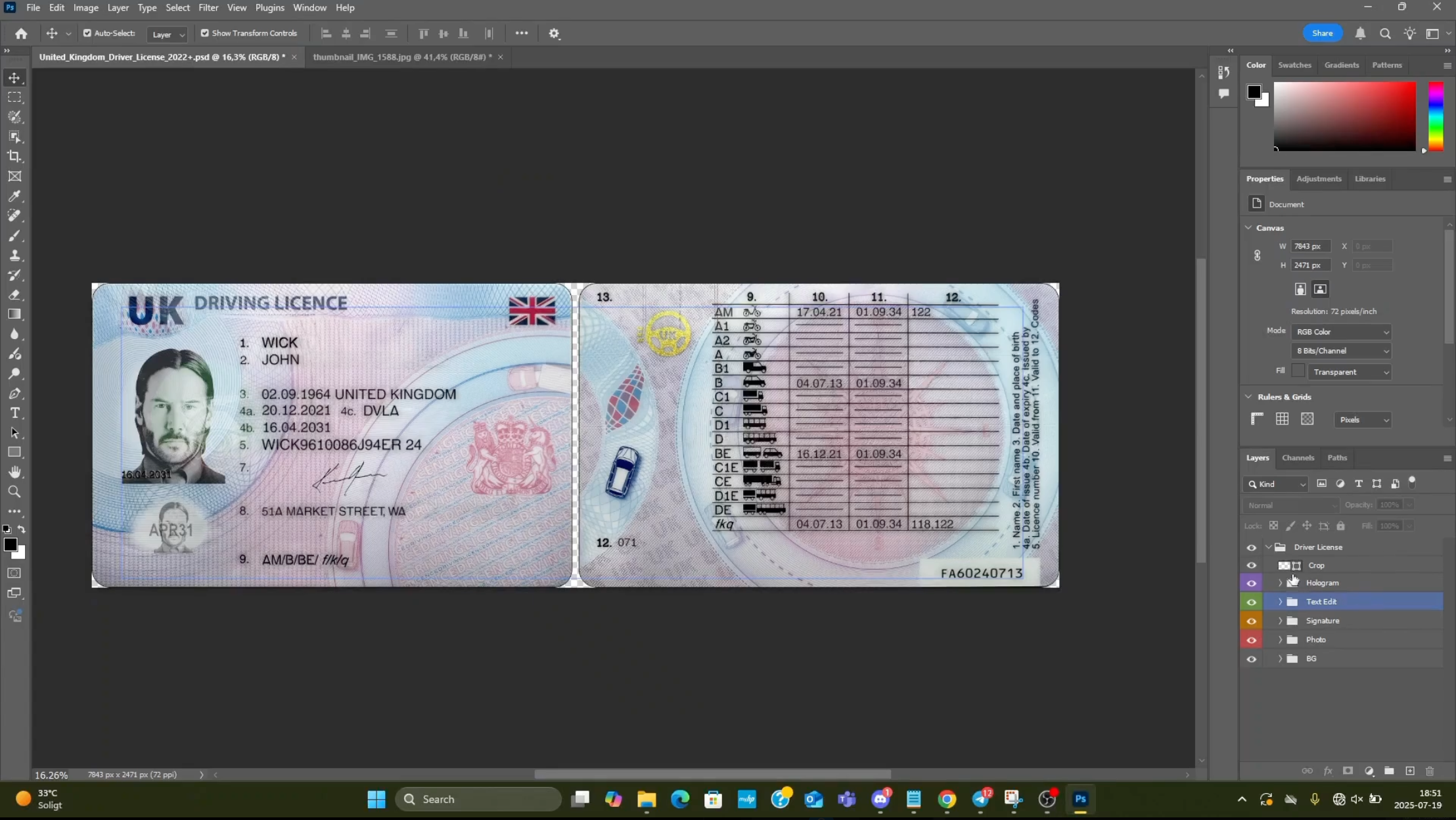
- Templates Buy from document editors or online vendors that handle ID editing. Ensure pixel-perfect alignment for all text and elements.
What is the cost to start?
Around $0.65 per card for materials. Full setup (printers, laminators) can cost thousands but is scalable.
Barcodes and Data Encoding
Barcodes are critical for scannability. DLs use PDF417 (2D) and Code 39/128 (1D).
How Barcodes Work: PDF417 encodes AAMVA-standard data (e.g., name, DOB, address). Use a real barcode as a template—scan it with a free tool like https://cmbdn.cognex.com/free-barcode-scanner to extract the format.
Data Fields (from AAMVA Standard) This includes: - DCS: Last Name - DAC: First Name - DAD: Middle Name/Initial - DBD: Expiration Date (MMDDYYYY) - DBB: DOB (MMDDYYYY) - DAG: Address - DAJ: State - DAK: DL Number - Etc. (See full manual at https://www.aamva.org/getmedia/99ac7057-0f4d-4461-b0a2-3a5532e1b35c/AAMVA-2020-DLID-Card-Design-Standard.pdf)
Generating Barcodes
1. Scan a sample PDF417 barcode to get the raw data string. 2. Replace fields with desired info (e.g., change DAC to "JOE"). 3. Paste into https://barcode.tec-it.com/en/PDF417 and generate. 4. Ensure state-specific barcode dimensions (rows/columns vary).
Tips: DL numbers must match the state's format (use online generators). Even "dodgy" barcodes pass scanners if formatted correctly, but they may fail human inspection.
ID Scanners and Detection:
Understanding scanners helps design fakes that pass checks.
How do scanners work? They verify barcodes, magnetic stripes, holograms, UV, and microprinting. High-security sites cross-check with databases.
Types of Scanners 1. Basic Optical Scanners Check for printing inconsistencies, damage. No database access. 2. Barcode & Magnetic Stripe Scanners Read PDF417 and swipe data. Rejects if encoding is wrong. 3. Advanced Scanners Detect holograms, UV, and compare to gov databases.
Passing Checks Ensure barcode accuracy, proper encoding, and matching security features. Fakes often fail on poor printing or mismatched data.
Security and Anonymity: To avoid digital detection during creation or use.
IP Addresses Use residential IPs from providers (e.g., depends on country; known ones have good proxies). Companies check FraudScore, geographic location, ISP origin, and proxy ranges. Good proxies eliminate issues.
Browsing Incognito mode or clearing history/cache is useless. Dispose of devices after use to avoid tracking.
Geolocation Disable browser/mobile geolocation sharing entirely. No apps needed—just block it.
Other Match IP to the location for authenticity.
Setups and Real-World Tips
Production Setup Fargo HDP500/HDP5600 for PVC, Epson L800 for UV/raised text, PC cards with embedded UV ($0.65 each). Skip holograms for non-requiring states. For Teslin Epson printer with UV kits.
Common Issues: Misaligned text fails visual checks. Barcodes must be accurate for scanners.
Testing Print samples and scan them. Ensure feel and thickness match reals.
Connect
New posts, drops, and announcements land here first. Join and the bot notifies you the moment they go live.